You saw “IDM” in a message, paused for a second, and thought: Wait… what does that even mean here? Maybe it popped up in a Snapchat reply. Maybe someone texted “idm tbh” after you suggested plans. Either way, you’re trying to decode the tone before replying and accidentally sounding weird.
That’s exactly why people search for “IDM meaning in text.”
Internet slang moves fast. One year everyone says “bet,” then suddenly your group chats are full of abbreviations that look like encrypted passwords. IDM is one of those texting acronyms that seems obvious once you know it, but confusing when you don’t.
The short answer?
IDM usually means “I Don’t Mind.”
Simple. But context matters a lot. Sometimes it sounds friendly. Sometimes passive. Sometimes almost dismissive. And yes, there are situations where IDM means something completely different.
Let’s break it down properly.
What Does IDM Mean in Text?
In texting slang, IDM stands for “I Don’t Mind.”
People use it during casual texting when they’re okay with a suggestion, decision, or plan. It signals flexibility. No strong preference. Go with the flow energy.
Here’s a basic example:
“Want pizza or burgers?”
“idm”
Translation?
“I’m okay with either.”
That’s the core IDM texting meaning. It’s not excitement. It’s not rejection. It’s relaxed agreement.
The Main Meaning: “I Don’t Mind”
At its heart, IDM is a conversational shortcut.
Instead of typing:
- “I’m fine with whatever you choose”
- “Either option works for me”
- “I have no preference”
…people just type “idm.”
Fast. Efficient. Very Gen Z.
You’ll see it across:
- WhatsApp chats
- Instagram DMs
- TikTok comments
- Snapchat streak conversations
- Gaming chats
- Discord servers
And because digital communication rewards speed, acronyms like IDM stick around.
When People Use IDM
People rarely use IDM in serious conversations. It belongs to relaxed, everyday online conversation.
Common situations include:
- Picking a restaurant
- Choosing a movie
- Deciding meeting times
- Agreeing casually
- Avoiding conflict
- Showing flexibility
Examples:
“Should we meet at 7?”
“idm”
Or:
“You cool if Jake comes too?”
“IDM honestly”
Notice something important here. IDM often softens conversations. It avoids sounding demanding.
That’s why it feels different from other texting abbreviations like IDC.
Is IDM Positive, Neutral, or Rude?
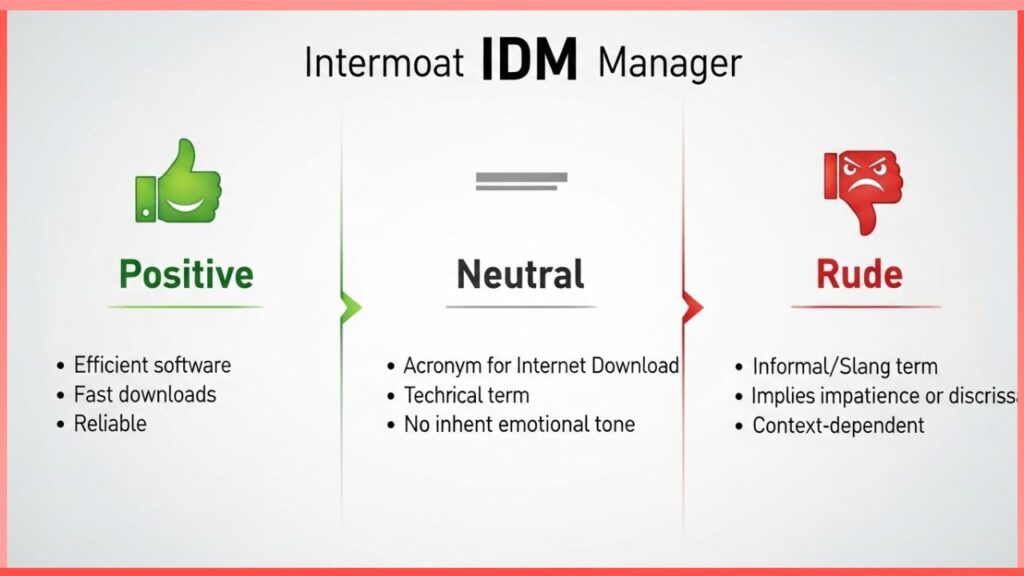
Usually? Neutral-to-positive.
But texting etiquette is weird because tone isn’t visible. No facial expressions. No voice inflection. Just letters on a screen.
So the emotional feel of IDM changes depending on context.
Friendly vs Passive Tone
Sometimes IDM sounds warm and easygoing.
Example:
“We can watch your movie choice tonight.”
“Aww idm, your pick :)”
That feels friendly.
Now compare it to this:
“Where do you wanna eat?”
“idm”
Short. Flat. Minimal.
Not rude exactly. Just emotionally lighter.
This is why conversation tone matters in text messaging.
How Context Changes Meaning
Three things shape how IDM feels:
- Relationship
- Punctuation
- Previous messages
Compare these versions:
- “idm haha”
- “IDM :)”
- “idm whatever”
- “idm.”
That last one? The period changes everything. Suddenly it feels colder.
Tiny details matter in social media slang.
When IDM Sounds Cold
Sometimes IDM can accidentally sound uninterested.
Especially if:
- the other person wants enthusiasm,
- the conversation is emotional,
- or replies are already dry.
Example:
“I spent hours planning this trip.”
“idm”
Ouch.
That response feels detached because the emotional weight of the conversation doesn’t match the casual agreement.
So yes, IDM can sound rude in certain moments even though the phrase itself isn’t rude.
IDM Examples in Real Conversations
Understanding internet shorthand gets easier when you see realistic examples.
Text Message Examples
Making Plans
“Coffee or sushi?”
“idm honestly”
Scheduling
“Can we move it to Friday?”
“IDM, Friday works.”
Group Chats
“Who wants shotgun?”
“idm you take it”
Very casual. Very common.
Social Media Examples
On Instagram or TikTok, IDM often appears in comments or DMs.
Example:
“Should I post part 2?”
“idm I’d watch it”
Or:
“You okay if I tag you?”
“IDM lol”
Social media comments tend to make IDM feel softer because people add emojis or slang around it.
Gaming Chat Examples
Gaming chats love abbreviations because speed matters.
Example:
“You wanna switch roles?”
“idm”
Or:
“Different map?”
“IDM”
Short replies are normal in gaming culture, so IDM rarely sounds rude there.
IDM vs IDC: Important Difference
This confuses a lot of people.
IDM and IDC look similar. Emotionally, though? Completely different vibe.
What IDM Means
IDM = I Don’t Mind
Tone:
- flexible
- relaxed
- agreeable
- neutral
What IDC Means
IDC = I Don’t Care
Tone:
- dismissive
- detached
- sometimes rude
- emotionally distant
See the difference?
One says:
“I’m okay either way.”
The other says:
“This doesn’t matter to me.”
Huge difference in online conversation.
Why IDM Sounds More Polite
IDM still acknowledges the conversation.
IDC can shut it down.
Imagine this exchange:
“Should we celebrate your birthday Friday or Saturday?”
“IDC”
That feels careless.
Now compare:
“IDM, either works.”
Much softer. More cooperative.
That’s why people often choose IDM instead of IDC in casual agreement situations.
Better Alternatives to Use
If you want extra warmth, these work well too:
- “Either works for me”
- “I’m good with anything”
- “Sounds fine”
- “Your choice honestly”
- “I’m easy”
These responses feel more human and expressive than ultra-short acronyms.
Other Meanings of IDM
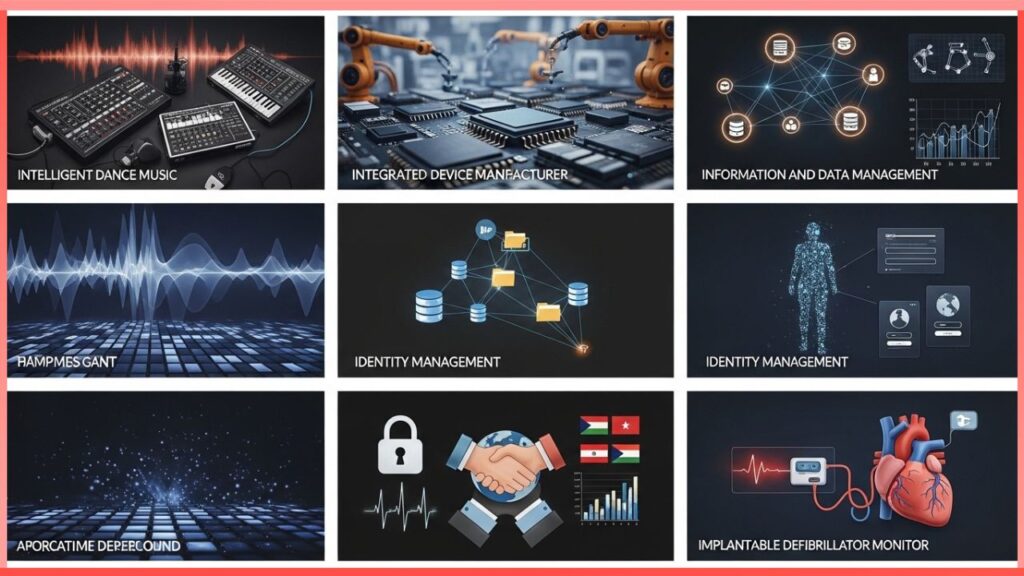
Here’s where things get slightly confusing.
IDM doesn’t always mean “I Don’t Mind.”
Internet Download Manager
Outside texting slang, IDM often refers to Internet Download Manager.
That’s a popular Windows software program used for:
- faster downloads,
- download scheduling,
- file management,
- browser integration.
So context matters.
If someone says:
“My IDM stopped working after the update.”
They’re definitely not talking about text messaging.
Rare or Contextual Uses
Less common meanings exist too, depending on niche communities.
Examples:
- business acronyms,
- tech shorthand,
- internal workplace slang.
Still, in social media and texting culture, “I Don’t Mind” is overwhelmingly the most common meaning.
Where Is IDM Most Commonly Used?
Different messaging apps create different communication styles.
IDM fits best in casual spaces.
WhatsApp users often use IDM in:
- family chats,
- friend groups,
- planning conversations.
Example:
“Should we order now?”
“idm”
Very normal.
Instagram DMs lean informal already, so internet slang spreads quickly there.
IDM often appears in:
- reactions,
- casual flirting,
- meme replies,
- story responses.
TikTok
TikTok comments thrive on shorthand communication.
People type quickly. Slang evolves fast. IDM fits naturally into that environment.
Especially among Gen Z slang users.
Snapchat
Snapchat conversations are usually short-lived and casual.
Which means:
- abbreviations dominate,
- full sentences disappear,
- texting acronyms become default language.
IDM is extremely common there.
How to Reply to IDM Naturally
This is what many people actually want to know.
You understand the phrase now. Great. But how do you respond without sounding robotic?
Friendly Replies
These feel smooth and natural:
- “Cool, let’s do that then.”
- “Alright sounds good.”
- “Perfect.”
- “Okay, I’ll decide then haha.”
Funny Replies
Want playful energy?
Try:
- “Dangerous answer. Now I have all the power.”
- “Big mistake letting me choose.”
- “You trust me way too much.”
Professional or Polite Replies
In semi-formal chats:
- “Thanks, I appreciate the flexibility.”
- “Great, I’ll go ahead with that option.”
- “Sounds good to me as well.”
You don’t always need slang back. Match the tone of the conversation.
That’s the real rule of texting etiquette.
Why Acronyms Like IDM Became So Popular
People communicate differently online than they do face-to-face.
Fast responses matter. Brevity matters.
Texting acronyms help users:
- respond quickly,
- reduce typing,
- keep conversations flowing,
- signal social familiarity.
That’s why abbreviations like:
- IMO,
- TBH,
- BRB,
- IDC,
- and IDM
…continue dominating messaging apps.
It’s basically a compressed digital language.
And younger users especially understand these terms instantly.
Is IDM Formal?
No. Not really.
You probably shouldn’t use IDM in:
- work emails,
- academic writing,
- professional documents,
- formal client communication.
It belongs in casual texting.
That said, semi-professional chats between coworkers sometimes use internet shorthand informally.
Context always decides what feels appropriate.
Can Adults Use IDM?
Absolutely.
Internet slang isn’t locked to teenagers anymore.
Parents use abbreviations. Professionals use abbreviations. Everyone online eventually absorbs digital communication habits.
You don’t suddenly become “too old” to text efficiently.
Is IDM Still Common in 2026?
Yes. Very.
Especially in:
- Snapchat conversations,
- TikTok comments,
- Discord chats,
- Instagram DMs,
- multiplayer gaming communities.
Slang changes constantly, but flexible-response acronyms tend to survive because they solve a real communication need.
People like easy, neutral replies.
IDM does that perfectly.
Does IDM Mean the Same Everywhere?
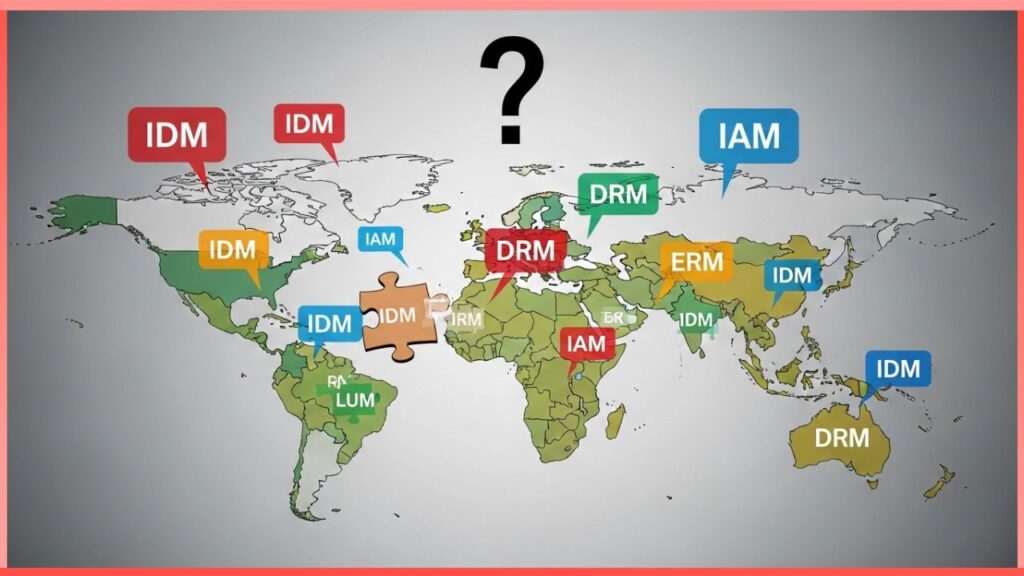
Mostly yes.
In English-speaking online spaces, IDM almost always means:
“I Don’t Mind”
But regional texting culture can slightly affect tone.
For example:
- some users interpret it as warm agreement,
- others see it as emotionally neutral,
- a few may read it as low effort.
Again, context matters more than the acronym itself.
Read this Blog: https://meaninges.com/what-does-rs-mean-in-text/
Frequently Asked Questions
IDM Meaning Text
In text messages, IDM usually means “I Don’t Mind.” People use it to show they are okay with a suggestion or have no strong preference.
IDM Meaning in Text
The IDM meaning in text is “I Don’t Mind.” It’s a common texting abbreviation used in casual chats, social media, and messaging apps.
IDM Meaning Slang
As slang, IDM stands for “I Don’t Mind” and expresses flexibility or casual agreement in an online conversation.
What Does IDM Mean in Slang
In slang terms, IDM means “I Don’t Mind.” It’s often used when someone is fine with any option or decision.
What Does IDM Mean on Instagram
On Instagram, IDM usually means “I Don’t Mind” in DMs, comments, or replies. Users commonly use it during casual conversations or when responding to suggestions.
Final Thoughts
By now, you probably won’t freeze the next time someone texts “idm.”
The meaning is simple:
IDM = I Don’t Mind.
But understanding the tone behind it? That’s the part most people miss.
Sometimes it sounds friendly. Sometimes lazy. Sometimes politely flexible. The surrounding conversation decides everything.
That’s modern texting slang in a nutshell. Tiny phrases carrying emotional nuance through three little letters.
And honestly? Once you start noticing acronyms like IDM in chats, you’ll realize how much of online communication depends on speed, tone, and subtle social cues.
Tiny words. Big meaning.